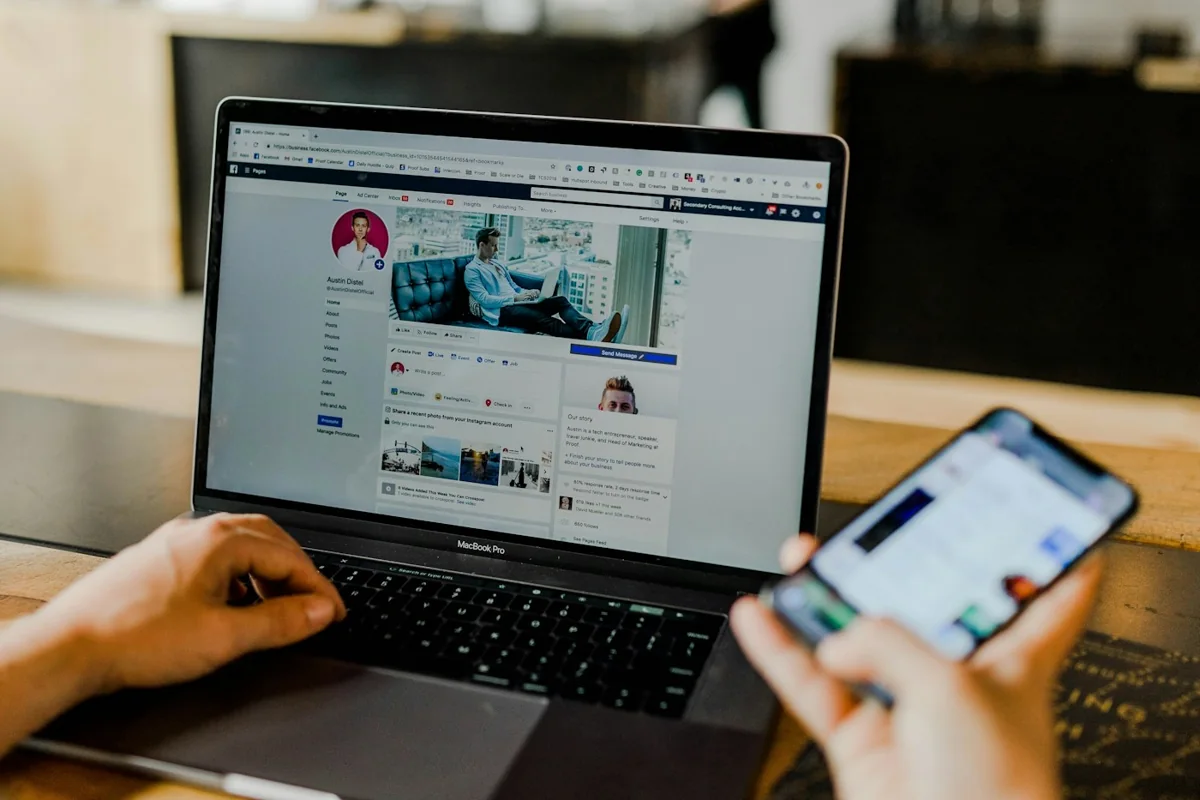
The decision about website vs social media for business is often presented as choosing one channel and abandoning the other. For most small businesses, the useful question is how each channel can help customers discover, understand and contact the business. A website can organise reliable information, while social platforms help distribute updates and support conversations.
What a business website provides
A website can give products, services and locations their own clear pages. Visitors can check specifications, understand how a service works and find contact details without searching a feed. You can organise information around the questions customers ask before buying or requesting a quotation. The benefits of a business website depend on its quality and maintenance. A confusing site with outdated information will not automatically build trust. Start with accurate content, readable pages and a working enquiry route. Add a catalogue, booking workflow or online checkout only when the business can support that process reliably.
What social platforms provide
Instagram and Facebook can help a business share recent work, product updates and useful explanations. Followers can respond to posts and start conversations. WhatsApp can support direct discussions, although it should not be treated as a substitute for every public information page. These channels suit regular communication. A short demonstration, a genuine work photograph or an answer to a common question can introduce people to your business. A useful post then gives them a next step, such as a relevant website page or a monitored contact account. Engagement alone is not the same as a qualified enquiry.
Compare the roles before choosing a budget
The following comparison describes typical differences rather than guaranteed results. A business still needs appropriate content, account access and staff follow-up whichever channel it chooses.
| Consideration | Website | Social media |
|---|---|---|
| Control | Your own page structure and content, with account and hosting responsibilities. | A third-party interface and platform rules. |
| Information | Organised service, product and company pages. | Updates, posts and platform-specific profile information. |
| Discovery | Pages can address relevant search questions; rankings are not guaranteed. | Posts can reach and engage audiences; distribution varies. |
| Enquiries | Forms, calls and chat links around a defined customer journey. | Direct messages and conversations linked to your account. |
| Maintenance | Keep pages, contact routes, hosting and software current. | Maintain posts, profile details, account access and message follow-up. |
| Best connection | Explain the offering and give visitors a clear next step. | Introduce relevant content and direct interested people to useful pages. |
Ownership and control need practical management
A website offers greater control over information structure, provided the business controls its domain and necessary accounts. Design, page organisation and content can be changed according to business requirements. Hosting, maintenance and renewals still need a responsible owner. Social profiles operate within another company's platform. Features, account rules and distribution can change, and access depends on the platform account. Keep recovery information current and assign suitable administrator roles. Avoid leaving the website or social accounts accessible only through a former employee's personal login.
Build credibility with consistent information
Customers may check several channels before contacting you. The business name, location and telephone number should agree across them. A website vs Facebook page comparison is less useful if one contains the current address and the other sends people to an old location. Use genuine photographs and accurate descriptions. Explain what the business does, what an enquiry should include and which claims can be supported. Do not invent reviews, customer logos or awards. A clear company page and consistent social updates can reinforce each other without exaggerated promotional statements.
Understand search discoverability
Website pages can answer service and product searches with detailed information. Useful headings, descriptive titles and sensible internal links help explain their subjects. Search visibility needs work and is not guaranteed simply because a page exists or includes a keyword. Social content can introduce people to the business, while the website provides a more structured destination for further research. Some public social information may also appear in search results, but availability and presentation depend on the platform and search engine. Do not assume the same level of control as your own pages.
Connect engagement to an enquiry journey
A customer who sees a social post may not be ready to call immediately. A relevant website link can explain the service in more detail, show requirements and help them decide whether to enquire. Send visitors to the appropriate page rather than directing every post to a generic homepage. Website enquiry routes can include a form, click-to-call link or WhatsApp contact. Decide who receives each enquiry and which details are needed. Record the source where practical so that you can assess whether a channel brings useful conversations rather than only clicks or reactions.
Integrate channels without overwhelming visitors
Link to verified Instagram and Facebook profiles from your website and keep profile website links current. Use WhatsApp for conversations where that matches the team's working process. Make sure customers understand whether they are opening a chat, calling the business or submitting a form. Do not add every social widget simply because it is available. Heavy embeds can affect page performance and create unnecessary distractions. Straightforward links, relevant content and clear contact options often serve the customer better than a crowded page full of feeds and pop-ups.
Practical examples for Indian businesses
An illustrative retailer can use Instagram to show new arrivals, a website to organise product categories and WhatsApp to discuss sizes or availability. This does not require claiming real-time stock unless an actual inventory workflow supports it. The store should clarify which information is maintained and who answers enquiries. A local service provider can share examples of completed work, then link to a page explaining service areas and quotation requirements. A startup can use social posts to introduce an idea while its website explains the offering, business contact details and the next step. These are planning examples, not UDS client case studies.
When should a small business build its first website?
Consider a website when customers repeatedly ask for the same information, when several services need clear explanations or when you want a stable reference to share in conversations. The first version can be modest if it answers meaningful customer questions and is easy to maintain. Prepare service descriptions, business photographs, contact information and the intended enquiry process. Why Every Small Business Needs a Website explains the foundation. For scope and recurring-cost questions, read Affordable Website Designing in India.
Plan website and social activity together
UDS lists Website Development and Social Media Management. Discuss the role of each in your customer journey, the content you can supply and the staff who will maintain it. Confirm deliverables and commercial terms without assuming a fixed package or guaranteed growth. Review enquiries, common customer questions and outdated information periodically. The aim is a consistent online presence for small businesses that helps people complete their tasks. A website and social media marketing can support each other when both are managed around real business needs.